

Imagine a client asking: “AI has already translated it. Could you just check it?”
That small word “just” hides a substantial amount of professional work. To approve the text, you may need to research terminology, resolve an ambiguity in the source, or explain why a fluent sentence gives the reader the wrong impression. You also need to know what the translation is supposed to achieve.
The draft may have arrived in seconds. The judgment required to approve it still needs expertise.
This is where I see the translator’s job description changing. As AI takes on more linguistic production, translators need to make those decisions explicit. What should the system be asked to do? What information is missing? What can a professional responsibly approve?
I use the term Translator 5.0 to describe a language professional who connects linguistic and cultural expertise with critical AI literacy, workflow design and accountability. The numbering traces a trajectory: from typewriter-era craft (1.0), through word processing (2.0) and CAT/translation memory tools (3.0), to machine translation post-editing (4.0). Language competence remains the foundation. The role extends to shaping the conditions under which multilingual communication is produced and evaluated.
Translators have always considered purpose, audience and context. Much of that reasoning has been bundled into the finished translation and left unexplained. When a client sees an instantly generated draft, translators need to show where professional intervention changes the outcome.
Professional translators already exercise most of this reasoning, i.e., clarifying briefs, researching terminology, managing cultural nuance. What is new is the need to make that expertise visible to clients who may not see why it matters when an AI draft lands instantly. The argument for professional value is not that these practices should start now. It is that they need to be named, demonstrated, and communicated in every client conversation.
The metaphor I find useful is the Meaning Architect. It describes someone who works out how communication needs to function in its new linguistic and cultural setting, then makes and justifies the decisions that help it function there.
Consider a whistleblower policy. An AI-generated version may read smoothly, yet employees need to understand what protection the policy promises and what they can do. The translator must examine terminology and institutional context, flag uncertainties and recognize when specialist review is necessary. Approving the wording requires understanding what people may rely on it to mean. A translator might, for instance, flag that the target-language equivalent of ‘protected disclosure’ carries a different legal weight in the receiving jurisdiction and propose terminology that aligns with the local legislative framework.
That responsibility begins before the first draft. It includes clarifying the brief, deciding whether a particular AI system is appropriate for the material and agreeing on the quality requirements. During the work, it involves checking suggestions against reliable resources. Before delivery, it requires a reasoned decision about what is ready and what still needs attention.
To support this process, I propose a simple model called FRAME:
(F) Frame the purpose. Establish what the communication must achieve and what its readers should understand or do.
(R) Route the task. Decide how human expertise, AI and reference resources should contribute, and where independent review is needed.
(A) Assess context and risk. Examine domain, cultural and confidentiality requirements. Consider the consequences of error and adjust the workflow accordingly.
(M) Make meaning fit for purpose. Evaluate whether the translation works for its intended audience and situation.
(E) Exercise accountability. Verify and justify decisions, seek clarification where necessary and approve what you can responsibly stand behind.
Translators, trainers, and workflow designers are invited to test FRAME across different contexts and share what they find. That evidence will shape how the model develops.
A broader job description offers no automatic protection from pressure on rates or demand. Opportunities will differ across markets and specializations. Translators can, however, make their expertise easier to recognize and assess.
For translators, a practical next step is to revisit one recent assignment. Identify a moment when your judgment affected the result. Perhaps you challenged a misleading term or preserved uncertainty that an AI suggestion had removed. Explain what you noticed, why you acted and what your intervention protected. This gives you a concrete example of the value behind the service.
Use that insight to develop one capability connected to your existing expertise, such as terminology management, AI-output evaluation or workflow design. Then describe it to clients through the communication problem it helps them solve. Consider sharing that example in a professional forum or community. Peer exchange about what translator expertise protects is one of the most effective ways to make that value legible to the wider market.
The next time a client asks you to “just check” an AI translation, begin by clarifying what they need to trust. That conversation is already part of the changing job description.
If you want to learn more about translator 5.0, join Monika at International Translation Day 2026, in her session called “Translator 5.0: From language expert to meaning architect. How language professionals can stay indispensable in the age of generative AI,” in which you will discover which skills are becoming more valuable, how AI is changing translation workflows, and what practical steps they can take to build a sustainable and rewarding career in the years ahead. Rather than asking whether AI will replace translators, this session focuses on a more important question: What kind of translator will thrive in the future?
Register for free with one click here: https://www.proz.com/next/tv/International-Translation-Day-2026#schedule
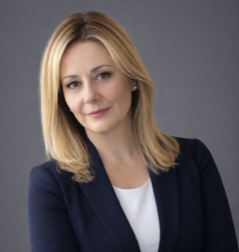
Monika Porwół, PhD, is a university professor, translation scholar and professional translator specializing in the intersection of translation, linguistics and artificial intelligence. Her research and teaching explore Human–AI collaboration, translator competence, cognitive translation studies, creativity, language technologies and the changing role of language professionals in Society 5.0. She combines an academic background in Translation Studies with postgraduate training in Data Science and an Executive MBA. Her current work focuses on developing practical Human–AI frameworks that help translators, students and educators use generative AI critically and strategically while preserving human judgment, responsibility and communicative expertise.
Register for free with one click for International Translation Day 2026: https://www.proz.com/next/tv/International-Translation-Day-2026
0 Comments